Amazon keywords
Title-specific research and keyword sets for frontlist and backlist books, with supporting search visibility reports.
Explore keyword services
Kadaxis helps publishers connect books with readers through Amazon keyword research, AI discovery intelligence, and practical AI advice.
Keywords publishers assign
8%
Keywords Kadaxis builds
40%
The publisher figure comes from 248,046 keywords across 24,367 books; ours is the average across thousands of books. Both are approximate and measure search visibility. Read the study
Title-specific research and keyword sets for frontlist and backlist books, with supporting search visibility reports.
Explore keyword servicesUnderstand how your books appear in AI answers, which sources and competing titles surface, and what to improve.
Explore AI discovery (GEO)Practical advice for publishing leaders considering AI workflows, internal tools, and vendor decisions.
Explore AI consultingPublishers we have worked with include
See selected publishers Join Chris at BISG's book discovery webinar on November 19.
Studies on how readers find books in Amazon search and AI tools. Read the findings, examine the methods, and explore the questions publishers ask.
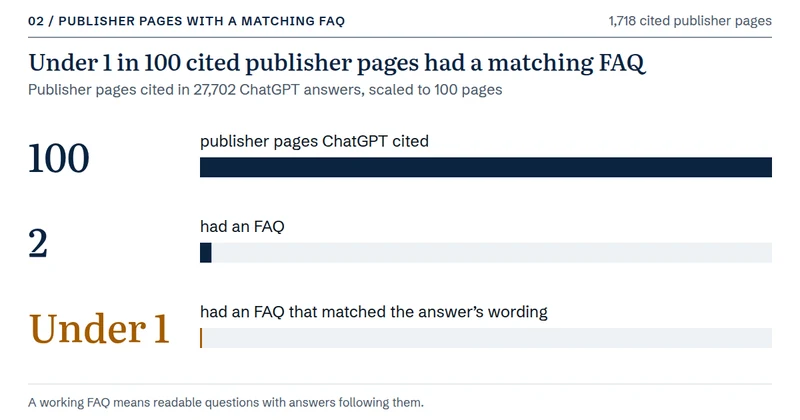
We collected 27,702 ChatGPT answers to reader requests and read the publisher pages behind them. Two pages in a hundred had an FAQ at all, and on the pages that did, the answer’s wording usually matched a passage somewhere else in the text. Put those together and FAQs account for less than 1% of answers returned by ChatGPT.
Under 1% of cited publisher pages had an FAQ that matched ChatGPT’s answer
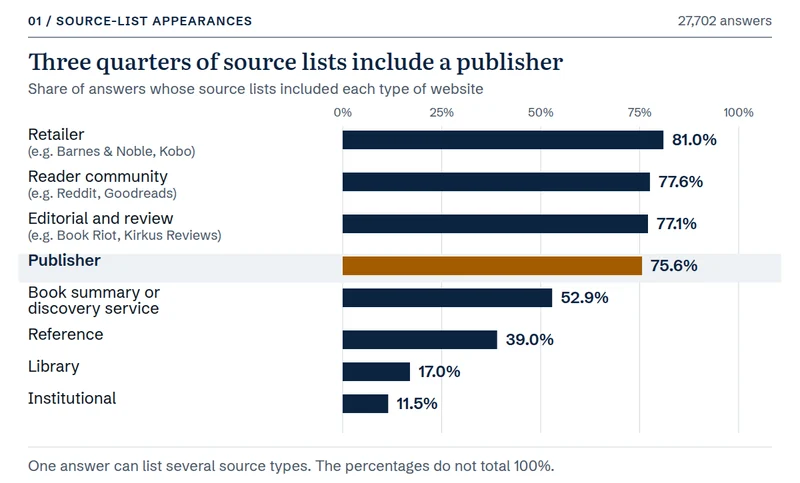
Publisher websites appeared in three quarters of the ChatGPT source lists we examined. Our study of 27,702 answers to reader requests looks beyond the familiar website names to the book descriptions, reading guides and other pages that surfaced, and what publishers can learn from them.
75.6% of source lists for 27,702 ChatGPT answers included a publisher website
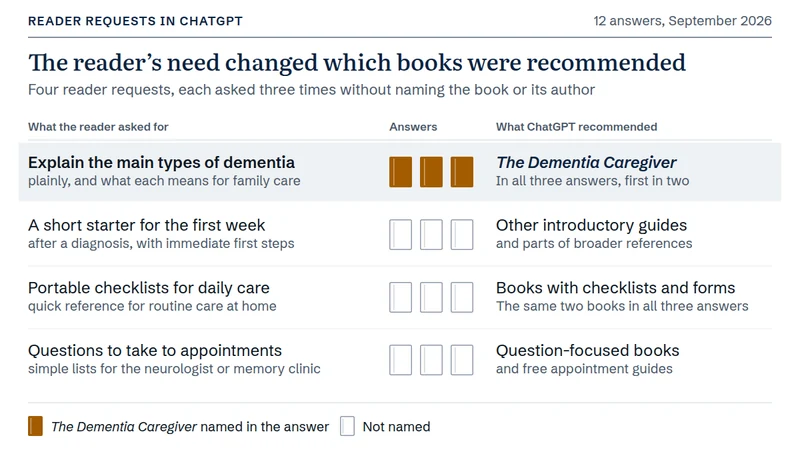
Reviews show why readers choose a book and how they use it. Connecting those insights with customer demand and ChatGPT’s recommendations helps you decide what to explain in your descriptions, which material to share, and where to publish it so the right readers can discover your books.
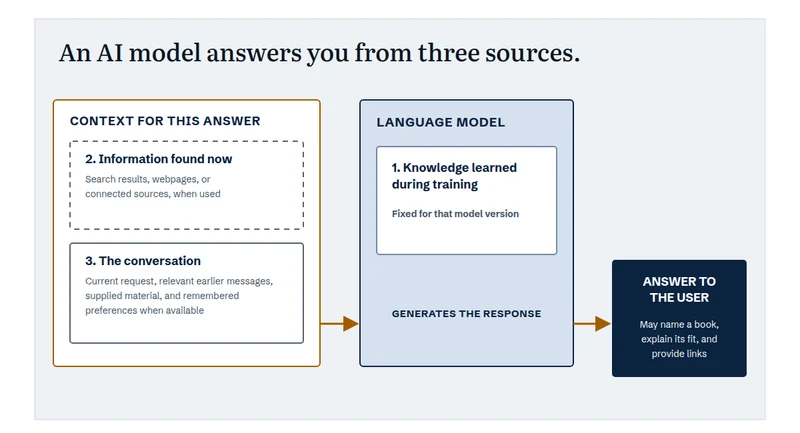
To improve a book’s visibility in ChatGPT and AI search, publishers need to understand what informs an answer and which components they can influence.
Send Chris a message about your publisher, your titles, or the question your team is considering. We will reply directly and arrange a conversation when useful.
Talk to Chris